
-739-384.png)
Info-TravauxRestez informés des travaux réalisés sur le territoire de la Ville, qu’il s’agisse de réfections routières, d’entretien des infrastructures, de travaux sur le réseau d’aqueduc ou de réaménagement de parcs. Pour toute question ou pour signaler un problème lié à des travaux, veuillez composer le 514 694-4100. |
2026-08-28
Éclairage de rue - Remplacement des lampadairesNature des travaux : Remplacement de lampadaires afin de convertir l’ancienne source d’éclairage au DEL.
|
|
2026-06-29
Reconfiguration de la voie d’insertion au boulevard Saint-Charles Sud à l’intersection du chemin Sainte-Marie EstReconfiguration de la voie d’insertion au boulevard Saint-Charles Sud à l’intersection du chemin Sainte-Marie Est à compter du 29 juin.
|

Home composters 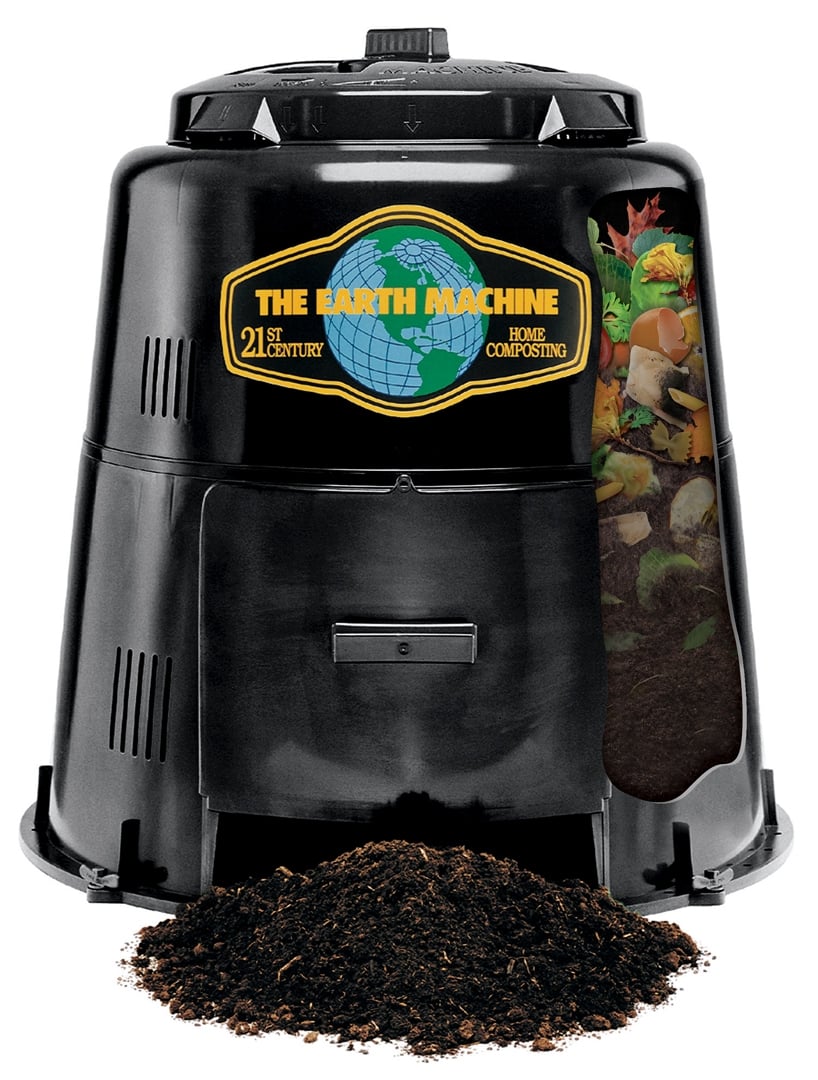
The Town is currently reviewing its subsidy program for home composters. Details of the updated program will be posted on the Town’s website once they have been confirmed and the program is officially in place.
We invite you to check this page regularly for the latest updates.
How do I compost?
STEPS
- Place the composter in a well-drained sunny location that is accessible year-round. Removing the grass underneath the composter allows microorganisms in the ground to be in direct contact with the compost.
- After installing the composter, cover the bottom with a layer of twigs. This allows air to circulate and encourages proper drainage.
- Alternate a mix of wet (kitchen waste) and dry waste (garden refuse) - always 50 % of wet and 50 % of dry residues.
- If possible, add “finished” compost, garden soil or a compost starter to your pile (available at most garden centres). This speeds up the composting start-up process.
- Mix the contents of the compost every two weeks or every time you add new materials. You can also add a shovelful of soil every now and then to introduce microorganisms.
- The fermentation and decomposition process usually takes one year, depending on the residues put in and the effort invested. The compost is ready to use when it is dark in colour, crumbly and has an “earthy” smell. Sort through the compost to eliminate substances that have not completely decomposed and put them back in the composter.
Materials that are acceptable for your composter
Wet Materials:
Vegetable and fruit peels (including citrus fruit and banana skins), soup and salad leftovers (in small quantities so as not to soak the compost), wild mushrooms, green garden residues, grass clippings (in small quantities).
Dry Materials:
Coffee grounds and filters, tea bags, cereal, bread, pasta, egg and nut shells, peach pits, wood chips, sawdust and twigs, animal hair or fur, corn cobs and stalks, dry fiber material cut into small pieces, dry tree leaves, hay, paper, newspapers and cardboard. Note that some wet materials can be dried in the sun to become dry materials.
Do NOT use*:
Meat, fish and bone, dairy products, grease and oils, cheese, plastic, metal, seed-bearing weeds and diseased plants, harmful plants(ragweed, poison ivy, bindweed and quack grass), toxic products (treated turf), animal waste.
* You can compost weeds, bones, fish, meat and dairy products through the Municipal Organic Waste Collection (brown bins), as a result of the high-temperatures reached in the fermentation process due to the large quantities of composted organic materials.