
-739-384.png)
AlertsTo keep you informed of important messages from the city! |
2026-09-01
September 1, 2026 - Drinking water supply interruption AND precautionary boil water advisory for certain addresses on Monsadel StreetDrinking water supply interruption AND precautionary boil water advisory for certain addresses on Monsadel Street
September 1, 2026 - Drinking water supply interruption AND precautionary boil water advisory for certain addresses on Monsadel StreetNotice to affected residences:
Please be advised that your drinking water service will be interrupted between 8:00 a.m. and 4:00 p.m. on Tuesday, September 1st, 2026, to allow work to be carried out on the water distribution system. In preparation for this work, you are encouraged to set aside an adequate supply of water to meet your consumption needs during the service interruption. Once water supply is restored, a precautionary boil-water advisory will be in effect for a minimum of 48 hours and until further notice. Precautionary Boil-Water Advisory
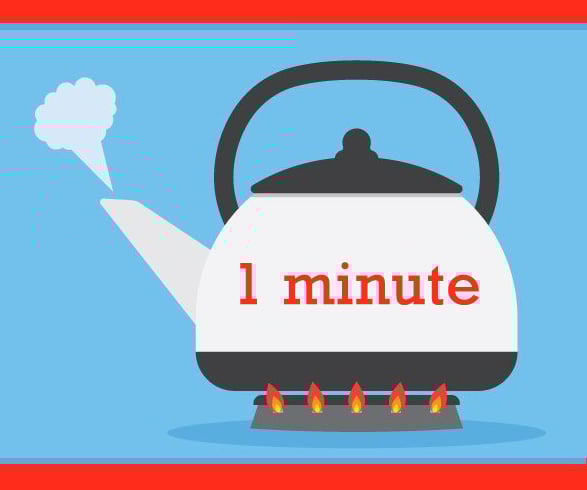
Please note that you must boil your tap water (bringing it to a bubbling boil) for at least 1 minute before drinking it, or use bottled water for:
YOU MAY USE UNBOILED TAP WATER TO :
Lifting of the boil-water advisoryWater samples will be collected from various locations and submitted for laboratory analysis. The boil-water advisory will be lifted once we receive the results of these tests, which requires a minimum of 48 hours. Please consult the Alerts section of the website for updates regarding the lifting of the boil water advisory. Questions?If you require additional information, please call 514 630-2727. Thank you for your understanding. |
|
2026-08-31
August 31, 2026 - Possible discoloured water and drop in water pressure for certain addresses on MonsadelAugust 21, 2026 - Possible discoloured water and drop in water pressure for certain addresses on Monsadel
|
|
|
2026-08-30
Inspection of fire hydrants from August 30 to September 3 – Sector 1Inspection of fire hydrants from August 30 to September 3 – Sector 1
Inspection of fire hydrants from August 30 to September 3 – Sector 1Please note that we will be inspecting fire hydrants in Sector 1 from August 30 to September 3. Inspection work will be carried out overnight from 11:30 pm to 7:30 am. Thank you for your understanding.
|
|
Works InfoStay informed about the work being carried out in the city, whether it involves road repairs, infrastructure maintenance, work on the water network, or park redevelopment. For any questions or to report an issue related to the work, please call 514-694-4100. |
2026-08-07
Road Reconstruction – Place du Souvenir, Aesop St., Allard St., Derome St., Pasquini St.Road Reconstruction – Place du Souvenir, Aesop St., Allard St., Derome St., Pasquini St.
|
|
2026-08-03
Replacement of a section of the storm sewer network on Argyle StreetReplacement of a section of the storm sewer network on Argyle Street.
|
|
|
2026-06-29
Reconfiguration of the merge lane onto Saint-Charles Boulevard South at the Sainte-Marie Road East intersectionReconfiguration of the merge lane onto Saint-Charles Boulevard South at the Sainte-Marie Road East intersection, starting June 29.
|
 RECOMMENDATIONS: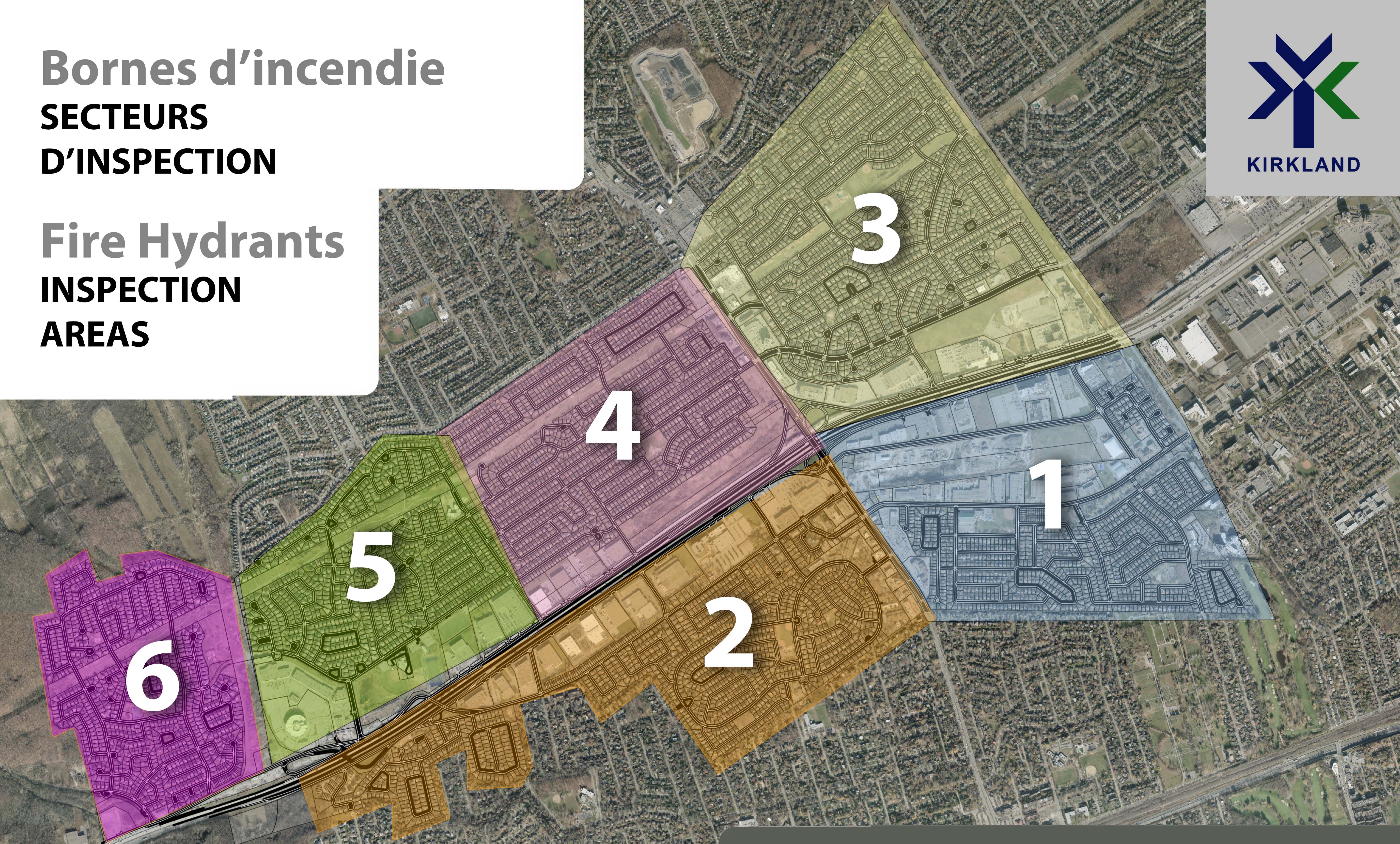

Ticks and Lyme Disease
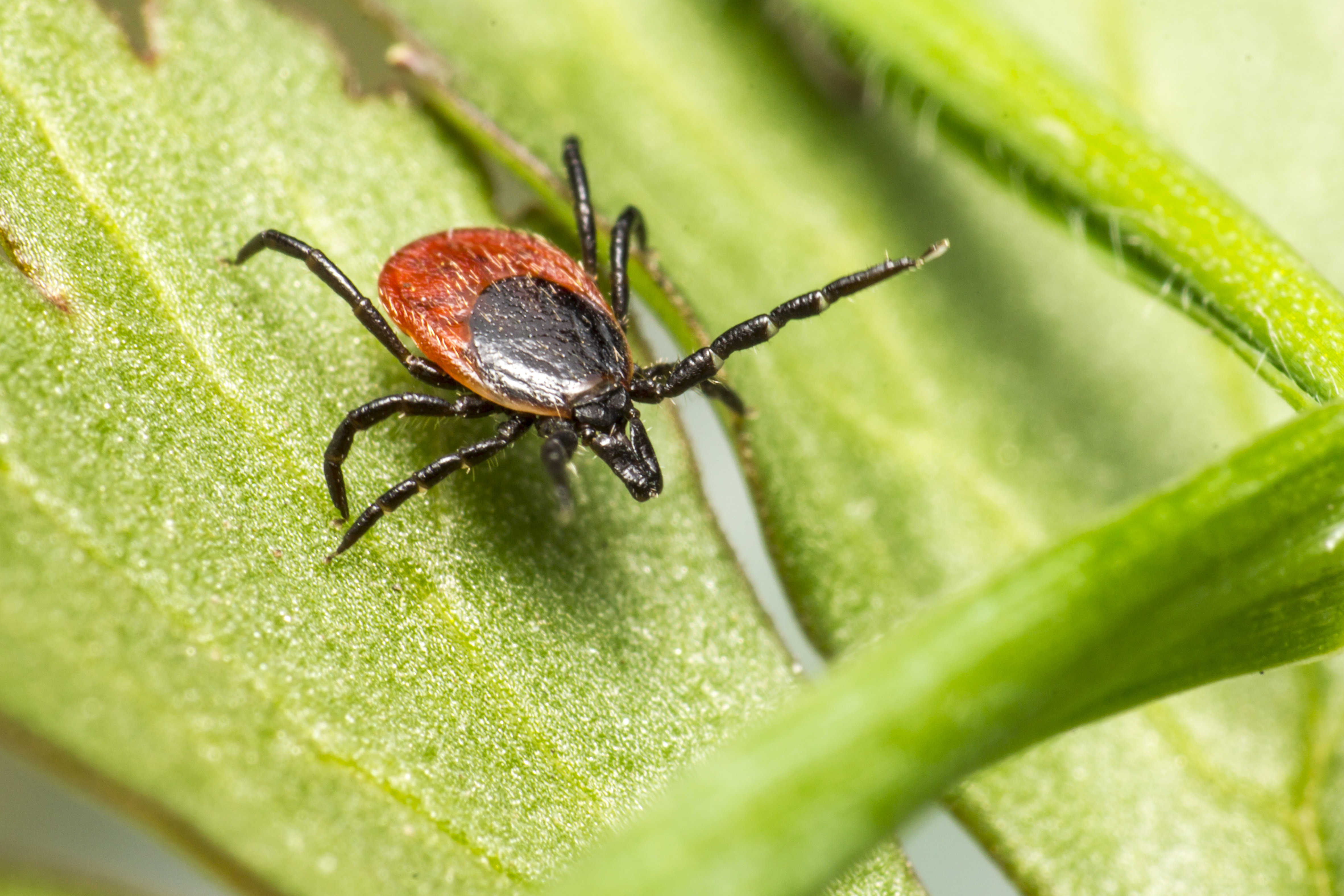
Ticks live in tall grass, brushes, wooded areas, parks and gardens. They do not jump, fly or fall from trees. They attach themselves to people and animals when they come into contact with vegetation.
Some ticks can transmit diseases, including Lyme disease. In most cases, an infected tick must remain attached for at least 24 hours to transmit the bacteria that cause Lyme disease.
When participating in outdoor activities such as hiking, gardening, golfing, fishing or camping:
Before and During the Activity
- Wear long, light-coloured clothing.
- Wear closed-toe shoes and socks.
- Tuck your pants into your socks and your shirt into your pants.
- Use an insect repellent containing DEET or icaridin, following the manufacturer’s directions.
- Walk in the centre of maintained trails.
- Avoid tall grass and brush.
After the Activity
- Carefully check your entire body.
- Pay particular attention to the armpits, groin, areas behind the knees and ears, belly button and scalp.
- Check children carefully.
- Use a mirror or ask someone to help you check areas that are difficult to see.
- Take a shower or bath as soon as possible, ideally within two hours of the activity.
- Inspect clothing, shoes, backpacks and other equipment.
- Place clothing in the dryer on high heat for at least 10 minutes before washing to kill any ticks.
Dogs and other pets can also be exposed to ticks.
To reduce the risk:
- Consult a veterinarian about tick prevention products.
- Keep pets in the centre of trails during walks.
- Check their fur after outdoor activities.
- Regularly inspect their ears, neck, armpits and the areas between their toes.
- Promptly remove any ticks you find.
Certain landscaping measures can help reduce tick-friendly habitats:
- Mow the lawn regularly.
- Cut tall grass.
- Remove dead leaves and weeds.
- Maintain the areas around sheds, fences and woodpiles.
- Create a barrier of wood chips or gravel between wooded areas and frequently used spaces.
- Set up play areas in open, sunny locations.
- Remove the tick as soon as possible using fine-tipped tweezers or a tick-removal tool. Follow the procedure outlined here:
Removing a tick if bitten | Gouvernement du Québec - After removing the tick, thoroughly clean and disinfect the bite area.
- Keep the tick in an airtight container, such as an empty pill bottle. Record the date and location of the bite, as well as the area of the body where you were bitten. This information may be useful if you need to consult a health care professional.
- Call Info-Santé 811. A nurse will advise you whether you should consult a health care professional.
- Monitor your health for 30 days following the bite and watch for redness or other unusual symptoms.